
Disclosure
TradeVulcan develops and sells software to home-service contractors. TradeVulcan is not affiliated with Corpay, FleetCor, Fuelman or the Federal Trade Commission. This article reports public court and regulatory records and adds contractor operating analysis. It is not legal advice, does not determine whether any reader is entitled to redress, and does not allege that every Corpay or Fuelman customer was affected.
Status — Sept. 20, 2026
The $100 million agreement is proposed, not yet final. The FTC accepted the consent agreement for public comment. After the notice is published in the Federal Register, the agreement is subject to a 30-day public-comment period before the Commission decides whether to make the order final. The FTC has not announced a customer claims process, individual eligibility rules, payment amounts or distribution dates. Contractors should not assume they are automatically entitled to money.
A fuel card is supposed to make a service fleet easier to control. One account, driver cards, purchase limits, reporting and some form of fuel savings can look cleaner than dozens of technicians swiping personal cards and turning in receipts. But the economics are only as good as the full statement.
That is why a new Federal Trade Commission settlement deserves more attention from home-service operators than a normal payments-industry enforcement story. On September 17, the FTC announced that FleetCor Technologies, now Corpay, and CEO Ronald Clarke agreed to a proposed $100 million payment to resolve the agency's remaining administrative action over fuel-card marketing and billing practices. The money is intended for redress to harmed business customers.
The FTC says FleetCor's customers were overwhelmingly small businesses. In 2023, a federal district court entered summary judgment for the FTC, finding that FleetCor charged hidden or otherwise unauthorized fees and misrepresented fuel savings and fees associated with its cards. In January 2026, the U.S. Court of Appeals for the Eleventh Circuit upheld the judgment against the company on all counts and affirmed the permanent injunction.
Corpay says the proposed settlement resolves the matter without any admission of wrongdoing, that Clarke is not personally making a financial payment, and that the company does not expect the settlement to materially affect ongoing operations or financial results.
For contractors, the lesson is not to panic about one vendor. It is to treat fuel-card statements like a supplier invoice: reconcile the promise, the contract and every dollar that actually left the business.
What contractors should know
- FleetCor, now Corpay, agreed to a proposed $100 million FTC settlement intended to provide redress to harmed business customers.
- A federal court found that FleetCor charged hidden or otherwise unauthorized fees and misrepresented fuel-card savings and fees; the Eleventh Circuit upheld the judgment against the company in 2026.
- The agreement is not yet final. It still faces a 30-day public-comment process after Federal Register publication and final Commission consideration.
- Corpay says the settlement involves no admission of wrongdoing and will not have a material impact on its continuing operations or financial results.
- The useful contractor response is an audit: isolate every non-fuel charge, reconcile promised rebates and savings, test late fees against payment dates and calculate all-in fuel-card cost as a percentage of actual fuel spend.
- Do not assume your company qualifies for restitution. The FTC has not announced a claims process or individual payment rules.
The story in four numbers
- Proposed FTC payment
- $100M
- Corpay 2025 Vehicle Payments revenue
- $2.14B
- Vehicle Payments transactions
- 880.9M
- Public-comment period
- 30 days
Intended for redress to harmed business customers if the order becomes final.
Company-reported net revenue for the Vehicle Payments segment in its 2025 Form 10-K.
Company-reported 2025 transaction volume, showing the scale of the segment.
Begins after the proposed agreement is published in the Federal Register.
What the court and FTC actually found
The enforcement history matters because this is not a fresh allegation attached to an untested complaint. The FTC first sued FleetCor in federal court in 2019. According to the agency, the company marketed fuel cards to businesses with savings claims and fee representations that did not match what many customers ultimately paid.
The FTC says FleetCor imposed a range of fees customers had not knowingly agreed to, sometimes waiting several billing cycles before the charges appeared. The agency also says some invoices did not clearly display the fees, forcing customers to look elsewhere in account-management reports to see them. The FTC further said FleetCor assessed some late fees even when customers paid on time or were prevented by the company's systems from paying on time.
In June 2023, the Northern District of Georgia entered summary judgment for the FTC on all counts and imposed a permanent injunction on FleetCor. Among other requirements, that injunction bars billing a charge without express informed consent and clear disclosure and bars deceptive claims about fuel-card savings and fees.
The Eleventh Circuit upheld the company's judgment on all counts in January 2026. It upheld all but one count against Clarke and vacated the injunction against him. The proposed administrative settlement announced September 17 adds the $100 million redress payment and provides that FleetCor and Clarke will not oppose reimposition of a federal injunction against Clarke.
Corpay says it has changed its controls
Corpay's September 18 statement presents the settlement differently. The company says the proposed agreement resolves previously disclosed allegations concerning marketing and disclosure practices in its U.S. Vehicle Payments business without an admission of wrongdoing.
Corpay says it has enhanced customer communications, compliance oversight and internal controls over the past several years, including changes made before and after the 2023 federal court order. The company also says CEO Ron Clarke is not subject to a financial payment under the settlement.
The company's scale helps explain why the story matters beyond one fuel-card product. Corpay's 2025 annual report shows $2.14 billion in Vehicle Payments net revenue and 880.9 million Vehicle Payments transactions. Its investor site says Corpay serves more than 800,000 business clients across its payments businesses. Fuelman, one of Corpay's fleet-card brands, currently markets cards to business fleets and says there is no formal minimum fleet size, although such cards typically work best for fleets of three or more vehicles.
That puts this squarely in the operating world of small and midsize contractors. A five-truck electrical company and a 150-truck HVAC platform may buy fuel differently, but both can lose margin when fees, discounts and administrative rules are not reconciled to the original agreement.
The Monday-morning move: audit the fuel-card program, not just the pump price
Most contractor fuel reviews start with the obvious line: average price per gallon. That is useful, but incomplete. The all-in program cost is the fuel itself plus every program, network, account, card, late-payment or other charge, less rebates and credits actually received.
Pull at least 12 months of statements and export the transaction detail if the provider allows it. Do not begin by deciding whether a charge is fair. Begin by identifying every dollar that is not fuel or tax. Create a fee dictionary: exact statement label, amount, frequency, first appearance and whether that charge appears in the signed agreement or current pricing schedule.
Then audit savings claims the same way. If the sales pitch was cents off per gallon, determine the baseline used to calculate that savings, whether the discount applies at all stations or only in-network locations, and whether rebates are reduced by program fees. If the program promises fraud controls, document whether those controls are included or paid add-ons and whether drivers can actually purchase categories the company intended to block.
Finally, test late fees against the underlying payment record. Match statement due dates to bank clearing dates, ACH initiation dates and any failed or rejected payment records. A late fee should not be accepted as a generic cost of doing business if the company's own records show payment was timely.
Fuel-card audit: what to reconcile
| Audit line | What to pull | Question to answer |
|---|---|---|
| Program/account fees | 12 months of statements + pricing schedule | Was the charge disclosed, authorized and expected at this amount and frequency? |
| Card/user fees | Active-card roster + employee roster | Are you paying for inactive, terminated or duplicate cards? |
| Network/transaction fees | Transaction export by merchant | Are out-of-network or per-transaction charges erasing the advertised fuel savings? |
| Late fees | Invoice due dates + bank/ACH records | Was the payment actually late, and did a system or processing issue contribute? |
| Discounts/rebates | Gallons purchased + rebate/credit ledger | Did the realized cents-per-gallon benefit match the agreement after exclusions and fees? |
| Fraud-control add-ons | Card controls + product package | Are you paying separately for controls the team believed were included? |
| Inactive-card leakage | Card roster + last-use date | Can unused cards be closed and recurring charges stopped? |
| Tax/reporting services | Program features + accounting workflow | Does the service create enough administrative value to justify its cost? |
A 2% leak is still a real line item
Fuel-card leakage becomes easier to see when it is expressed as a percentage of annual fuel spend. The table below is hypothetical; it does not estimate Corpay fees or claim any particular contractor is being overcharged. It simply shows why recurring small charges deserve the same scrutiny as fuel price.
Illustrative non-fuel charge exposure
| Annual fuel-card spend | 1% non-fuel cost | 2% non-fuel cost | 4% non-fuel cost |
|---|---|---|---|
| $50,000 | $500 | $1,000 | $2,000 |
| $150,000 | $1,500 | $3,000 | $6,000 |
| $300,000 | $3,000 | $6,000 | $12,000 |
| $600,000 | $6,000 | $12,000 | $24,000 |
Put the card cost into cost per completed job
The most useful fleet metric is not annual fuel spend in isolation. It is the transportation cost required to produce revenue.
For a home-service company, take total fuel-card spend plus all program fees, subtract rebates and credits actually received, then divide by completed jobs. Track the same figure by branch, service area and vehicle class. A dispatch radius that looks harmless on a map can become expensive when fuel, drive time, tolls and card costs are all attached to each completed call.
Dispatch made the same point when U.S. diesel prices hit a record earlier this month: route density and fuel cost per completed job are controllable operating metrics even when commodity prices are not. The settlement adds another layer. The gallon price is only one component of what the fleet-payment program costs the business.
Do not file anything based on a social-media post
The FTC has not announced a claims process for the proposed $100 million redress fund. If the order becomes final and the agency later opens a refund or claims process, verify eligibility and instructions directly through FTC.gov or official communications. Do not send account credentials, card numbers, bank information or fees to a third party claiming it can secure settlement money for your company unless you have independently verified that service and its authority.
A contractor fleet-card playbook
- Pull 12 months of statements and export every non-fuel charge into a separate fee ledger.
- Match each recurring fee to the signed agreement or current pricing schedule; flag charges the team cannot explain.
- Reconcile promised rebates or cents-per-gallon savings against credits actually received, after exclusions and fees.
- Compare every late fee with invoice due dates and bank or ACH records instead of accepting it automatically.
- Close inactive driver cards and accounts, and review whether card-level or program-level fees continue after employees or vehicles leave the fleet.
- Calculate all-in fuel-card cost per gallon and per completed job, not only pump price.
- Set a quarterly vendor-review calendar so pricing, rebates, card counts and statement fees are checked before another year of leakage accumulates.
- Watch FTC.gov for any official redress instructions; do not assume eligibility until the agency publishes the process.
The bigger lesson: recurring vendor fees deserve owner-level visibility
The FTC case is unusually large, but the management lesson is ordinary. Small recurring charges are easy to ignore because they arrive one statement at a time. At fleet scale, that is exactly why they deserve a system.
Contractors already scrutinize labor rates, equipment gross margin, call-booking percentages and ad cost per lead. Fleet-payment costs belong in the same operating discipline. The right question is not whether a card program is cheap or expensive in the abstract. It is whether the total economic value delivered—fuel price, controls, reporting, fraud reduction, convenience and rebates—exceeds the full cost the company is actually paying.
For Corpay, the proposed $100 million agreement still has to move through the FTC's final process. For contractors, the statement audit does not need to wait.
Methodology
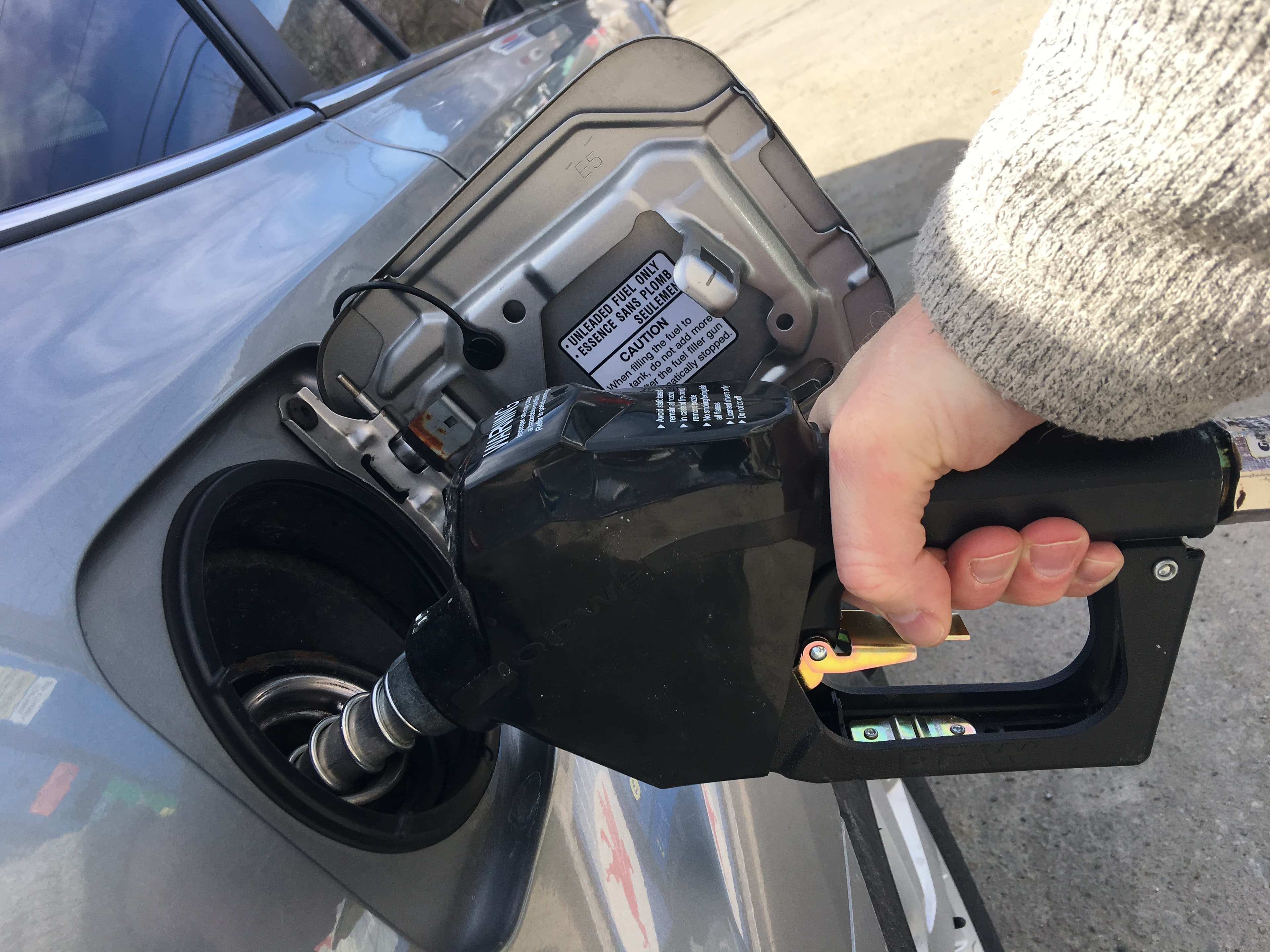
Dispatch reviewed the FTC's September 17, 2026 announcement and case materials, Corpay's September 18 company statement, Corpay's 2025 Form 10-K, current Fuelman product FAQs and independent local reporting. Legal findings are attributed to the federal court and FTC record; Corpay's response is attributed to the company. The fee-exposure table is illustrative arithmetic only and does not estimate Corpay, FleetCor or Fuelman customer charges. The hero image is a real CC0 photograph used illustratively and is not connected to the parties or customers in the enforcement action.
Sources
- FleetCor Agrees to Pay $100 Million to Resolve Administrative Action After Federal Court Finds that It Violated the FTC Act by Charging Unauthorized Fees — Federal Trade Commission
- Fleetcor Technologies, In the Matter of — Matter 182 3000 / Docket 9403 — Federal Trade Commission
- Corpay Agrees to Settle FTC Matter — Corpay, Inc.
- Corpay, Inc. 2025 Annual Report on Form 10-K — Corpay, Inc. / SEC filing
- Fuelman Frequently Asked Questions — Fuelman / Corpay
- Corpay agrees to pay $100 million to end FTC lawsuit over hidden fees — The Atlanta Journal-Constitution
- Gasoline Fill Up.jpg — CC0 1.0 public-domain dedication — Wikimedia Commons / MarkBuckawicki
- Related Dispatch analysis: Diesel Just Hit a Record $6.06. A 50-Truck Contractor Could Be Paying $153,000 More a Year. — TradeVulcan Dispatch