
Optimum Energy has completed its acquisition of Hussung Mechanical Contractors and HMC Service Company, Bernhard Capital Partners said in an October 8 announcement. The deal adds a commercial mechanical contractor to the investment firm's energy-infrastructure portfolio company. The completion release does not disclose a purchase price.
The transaction was first announced August 12. At that time, the companies said Hussung would continue operating under the HMC name within Optimum Energy. The October statement is a completion update; it does not specify the transaction's exact closing date.
What comes with HMC
Hussung traces its start to 1966, when brothers George and Henry Hussung launched the business to serve Kentucky and southern Indiana. That operating history matters here because the acquisition includes an established mechanical construction and service business.
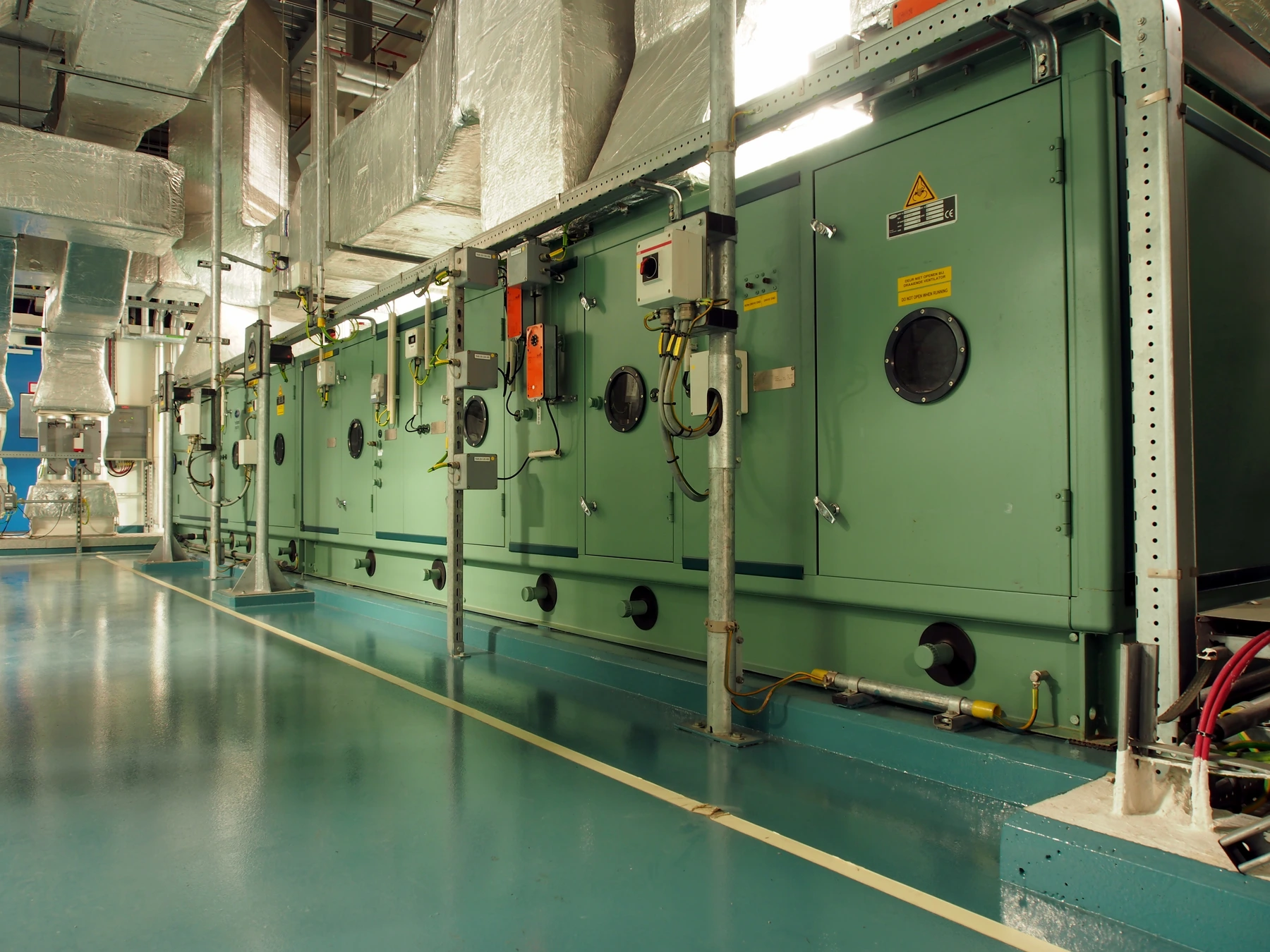
HMC's construction capabilities include HVAC, plumbing, medical-gas piping, process piping and fabrication. Its published service description also details in-house design engineering, building-information modeling to coordinate installations, and a prefabrication shop that makes custom piping. Those functions put design decisions, shop production and field installation within the same organization.
The service side extends beyond new projects. HMC lists boiler and chiller work, plumbing maintenance, refrigeration, building automation and around-the-clock service. Its controls offerings include commissioning, power monitoring and remote alarm notification. This gives the acquisition a maintenance-and-controls dimension alongside its construction capabilities.
Optimum describes its broader offering as spanning engineering, construction, central-plant modernization, operations and maintenance, and asset management. Bernhard says HMC expands the company's ability to perform mechanical work in-house. These are descriptions of the combined business's intended capabilities, rather than independently verified performance results.
Contractor analysis: watch the handoffs
For commercial mechanical contractors, the important operating question is what happens between installation and ongoing service. A broader service menu has limited value if the maintenance team inherits incomplete equipment records, unclear control sequences or unresolved commissioning issues.
The combination creates an opportunity to connect those stages more closely. That is an inference from the businesses' stated capabilities, not evidence that the integration has already delivered faster response times or lower costs.
Contractors assessing the local implications can focus on three concrete questions:
Contractor questions
- Who owns the transition from project closeout to maintenance? Look for a defined transfer of equipment data, warranty information, control settings and outstanding issues.
- How will field findings reach the design and controls teams? A service technician's recurring fault report is more useful when someone can trace it back to system design, commissioning or operating schedules.
- What remains local? The promise to retain the HMC name gives customers a branding answer. Customers and project partners still need to establish who approves proposals, handles escalation and takes responsibility across construction and service scopes.
These are evaluation points for any integrated contractor, rather than reported shortcomings at HMC or Optimum. They also apply to independent firms: a smaller company can make the same handoffs explicit without changing ownership.
For now, the public record supports a completed acquisition and a stated plan to combine complementary capabilities. Any claim about improved project delivery, customer savings or service quality will need operating evidence beyond the deal announcement.
Methodology
Completion announcement dates are separated from source announcement dates. Analysis is editorial evaluation, not a claim of integration results.