


Disclosure
TradeVulcan publishes Dispatch and makes software for contractor lead handling.
The agreement carries a $2.65 billion enterprise value. Its implications for equipment design are separate from the parts and warranty decisions facing an HVAC service office.
Disclosure
TradeVulcan publishes Dispatch and makes software for contractor lead handling.
Hypothetical scenario: A technician sends the office a photograph of the motor label on a failed fan. The customer wants a repair date. Before the manager orders anything, she still needs to identify the complete fan assembly, confirm the equipment maker’s approved replacement and establish who will authorize the warranty claim.
ABB’s agreement to acquire Ziehl-Abegg is news about the company behind that equipment. It does not answer those questions for the installed machine.
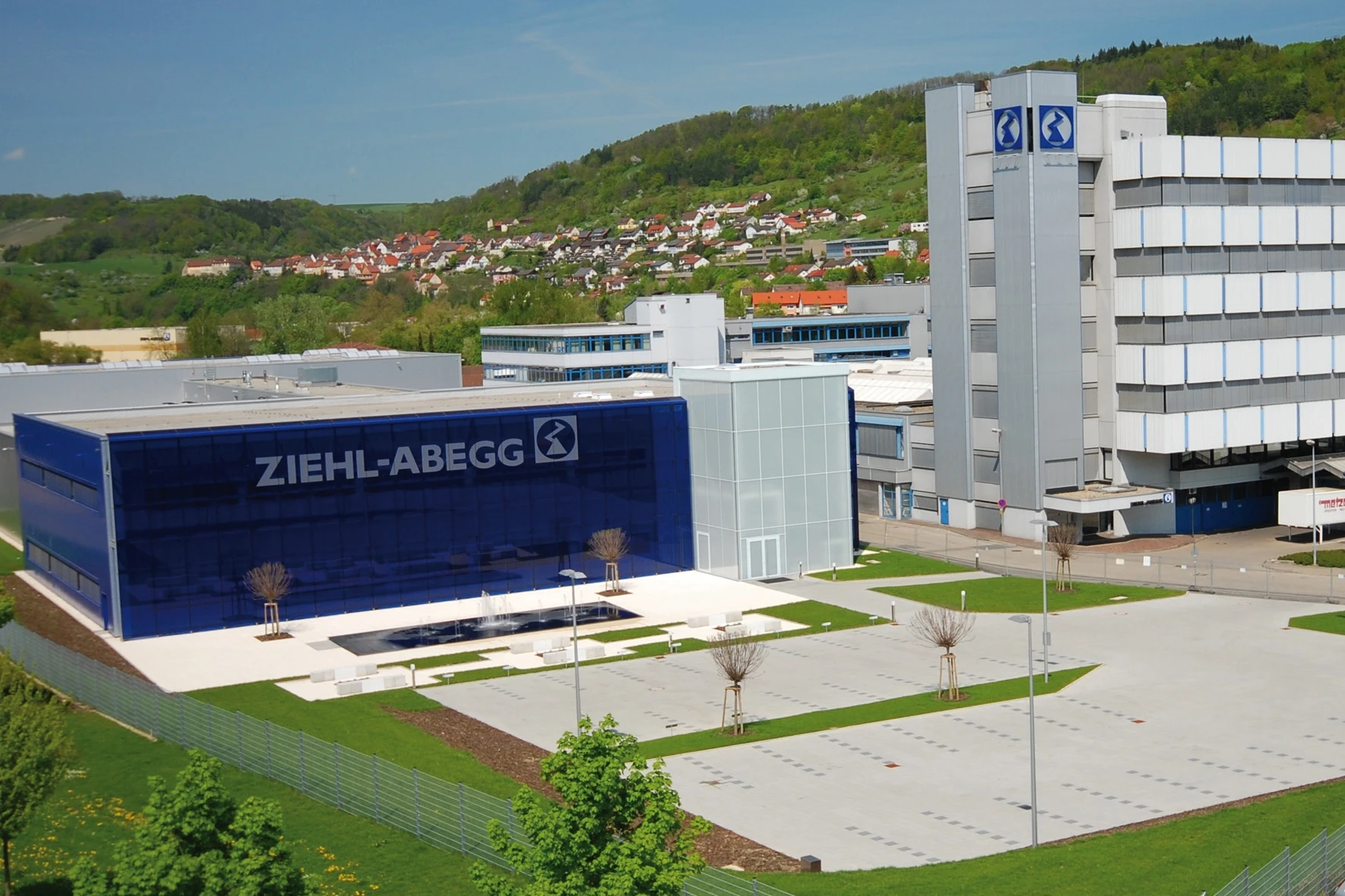
ABB announced Nov. 23 that it had signed an acquisition agreement assigning Ziehl-Abegg an enterprise value of $2.65 billion and an equity value of $2.22 billion. Enterprise value is the broader business valuation; equity value measures the owners’ stake. The figures should retain those labels rather than be treated as interchangeable purchase prices.
Closing is expected in the second half of 2027, subject to regulatory approvals and other customary conditions. Reuters independently reported the announced enterprise value and expected closing timetable. The companies have an agreement, not a completed combination.
Ziehl-Abegg makes fans, motors and ventilation controls. ABB says the acquisition would add electronically commutated fans to its Motion business’s existing motors and drives offering, broadening its position in heating, ventilation and air conditioning, industrial cooling and thermal management.
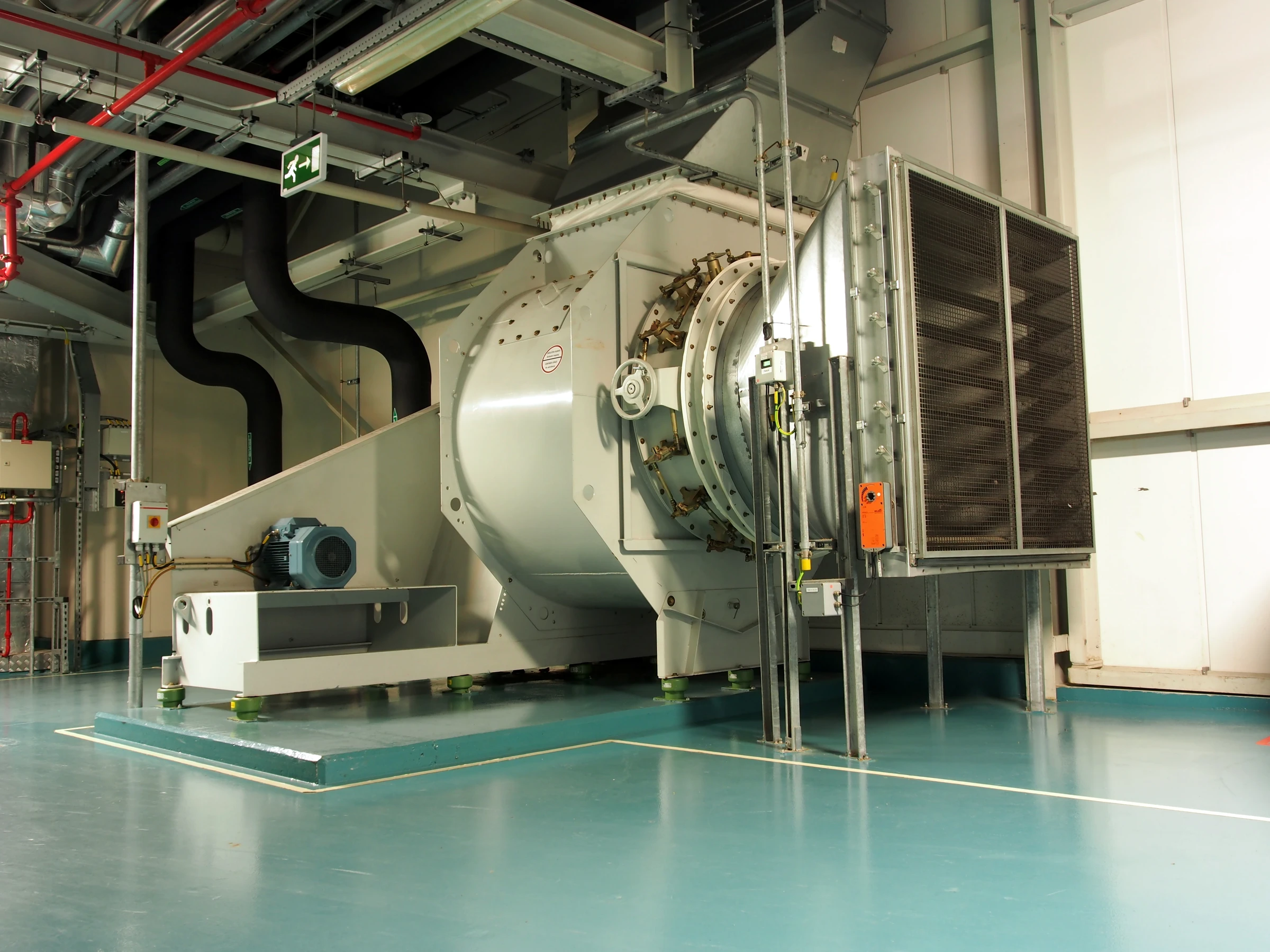
EC means electronically commutated. Electronics control a permanent-magnet motor’s operation and speed. In Ziehl-Abegg’s ECblue products, the controller is integrated with the motor. The technology describes how the motor operates; it does not identify a universal replacement that fits every machine.
For an equipment manufacturer designing a future cooling product, the engineering question is how the fan, motor and controls work together. ABB’s stated rationale includes improving system performance and simplifying that integration. Those are the buyer’s objectives, not independently demonstrated benefits from a transaction that has yet to close.
A service technician faces a narrower task: restore the particular machine in front of them with an approved replacement.
One manufacturer document makes the identification issue concrete. Ziehl-Abegg’s assembly instructions for its ECblue motor sizes 055 and 072 and associated cross-flow fans distinguish the complete fan’s rating plate from the motor’s plate. The manual says their technical data can differ. That instruction applies to the products covered by that manual; it should not be generalized into a claim that every fan carries identical labeling.
The company’s published U.S. replacement page provides another useful detail. It asks for the six-digit part number beginning with 1 or 2 on the fan label and says that particular replacement offering supplies complete fans, rather than motor-only units. This documents an existing ordering route. It does not establish that a direct purchase qualifies under an equipment manufacturer’s warranty.
For the office preparing the repair, three checks belong ahead of the customer commitment:
• Identify the assembly. Record the equipment model and serial number, the complete fan identification and the applicable control version. Confirm the approved replacement against the equipment documentation.
• Establish the claim route. Determine who authorizes the warranty claim, where a failed component must be returned and which parts, labor or shipping costs have actually been approved.
• Confirm the order. Obtain the supplier’s quote and availability commitment for that specific part before promising a repair date.
These are service-office checks, not evidence of a new ABB or Ziehl-Abegg policy. The materials reviewed do not establish acquisition-related changes to distributor access, compatibility, warranty handling, prices or lead times.
Back in the hypothetical office, the motor-label photograph becomes the start of the inquiry. The manager still needs the approved assembly and claim authorization before turning the customer’s requested repair date into a firm appointment.
No closing, regulatory clearance, individual warranty claim, replacement compatibility, live inventory or dealer-policy change was verified. The release does not itemize the required regulatory approvals. The opening scenario is fictional; the practical checks are Dispatch’s analysis of the documents, not reported customer experiences.
The deal adds commercial HVAC, plumbing, refrigeration and controls service. For contractors, the question is what happens after the installation crew leaves.
Oklahoma’s licensing board lists December 15 and January 9 cutovers, but a testing bulletin gives an earlier date for older plumbing references. A December 15 code hearing is separate.

Western New Mexico University plans hands-on training in Grant County. The grant pays mainly for equipment and supplies, not an opening date.