


Disclosure
No program sponsorship or commercial relationship is identified. The opening homeowner scenario is hypothetical.
A November 30 application cutoff and an expected December 21 expansion leave heating contractors navigating two sets of program requirements just as winter approaches.
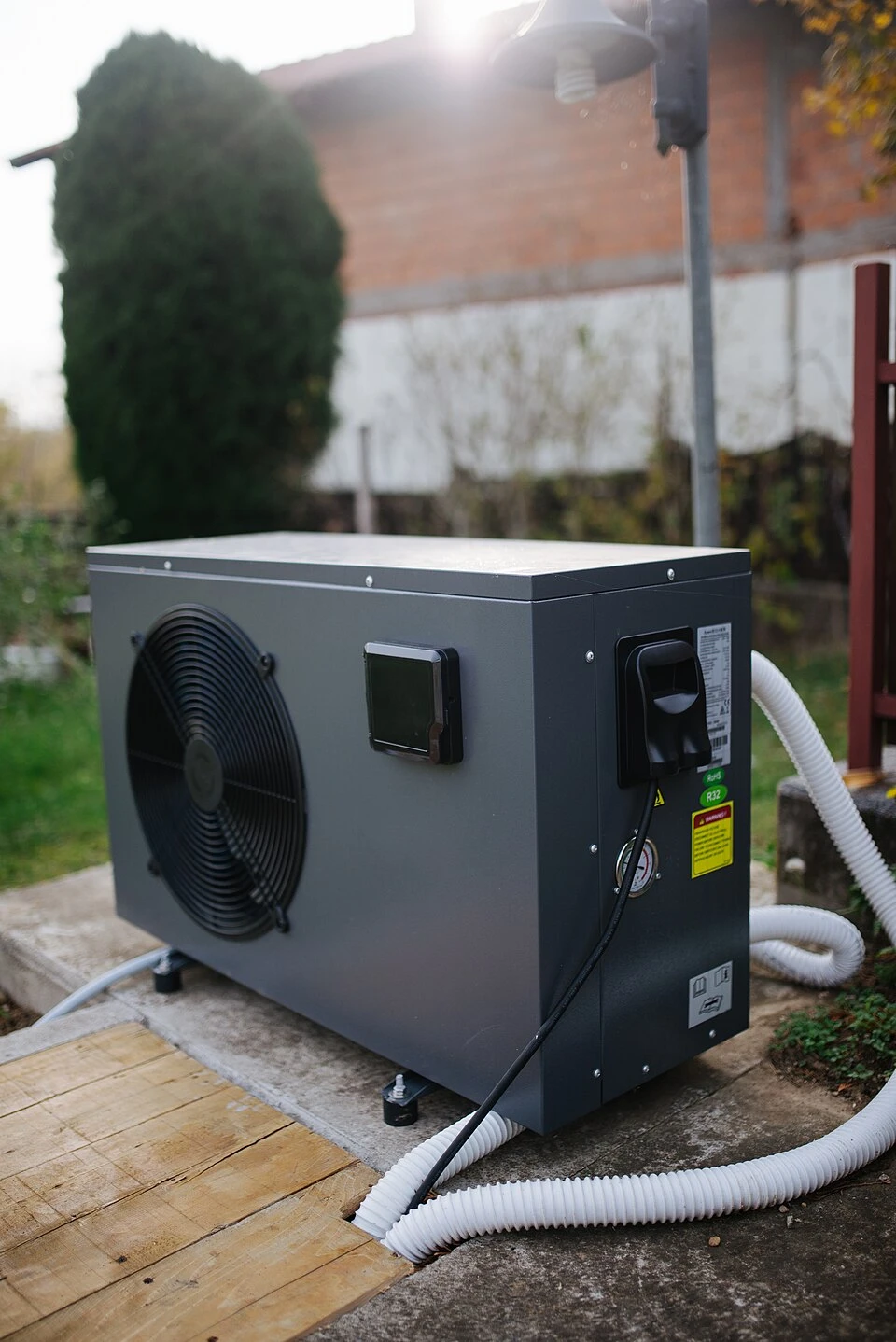
Disclosure
No program sponsorship or commercial relationship is identified. The opening homeowner scenario is hypothetical.
A Rhode Island heating contractor preparing a heat pump proposal this week faces an awkward scheduling decision: reserve an installation date in December, or quote the project at full cost and wait for the customer's rebate eligibility to be settled?
Consider a hypothetical homeowner replacing an aging oil-fired heating system. The equipment has been selected, the installation crew has an opening, and the customer has heard that larger state incentives are coming.
Moving the job forward too early could affect eligibility. Waiting for the expanded program, meanwhile, does not guarantee that the household will qualify.
That is the predicament facing contractors as Clean Heat Rhode Island, the state's heat pump incentive program, prepares to expand its income eligibility and rebates.
According to the program's transition instructions, the existing low- and moderate-income program will stop accepting new eligibility-verification and Part 1 rebate applications on November 30.
Verification of Eligibility applications expire on December 7 and do not carry over. Customers who have already received Part 1 approval, however, retain that approval until the expiration date assigned to their individual application.
The expanded program is expected to launch December 21.
Those distinctions matter when deciding whether to release equipment orders, reserve installation labor or reconsider an existing proposal.
A household that has submitted income-verification paperwork is not necessarily in the same position as one holding an approved Part 1 application.
Nor should customers with an existing approval expect a larger rebate simply because their installation overlaps the transition.
The program's support guidance explicitly rules out retroactive increases. It also explains that the expanded program will calculate income eligibility using area median income rather than statewide median income. Previous eligibility does not automatically establish future eligibility.
Under the announced expanded incentive structure, low-income applicants must obtain preapproval before installation. Equipment installed without that approval is ineligible under that pathway.
Moderate-income customers seeking the expanded incentive must have their equipment installed on or after the program's launch.
December 21 is the anticipated opening, not confirmation that the expanded rebates are currently available.
Contractors also need to establish whether the proposed system meets equipment requirements and whether the property's existing heating fuel, weatherization and other conditions satisfy the applicable program rules.
Clean Heat RI requires participating installations to go through its Heat Pump Installer Network.
The installer program offers contractors access to application resources, a public contractor directory and program updates.
Not every participating installer handles every incentive pathway. The expanded eligibility guidance directs low-income households and customers in two- to four-unit buildings toward an initial consultation and assignment through a specially trained installer network.
A company's participation in the general network should not be treated as blanket authorization for every project.
Clean Heat RI also remains distinct from Rhode Island's federally funded HEAR and HOMES programs and other utility incentives. Any combination of financial assistance must be checked against the individual programs' requirements.
A practical estimate starts with the complete installation price, before anticipated incentives. It identifies the equipment and scope, separates any unconfirmed rebate from the contract price and explains who is responsible for obtaining approval.
If the customer wants to proceed only with financial assistance, make the scheduling commitment conditional on that assistance being confirmed. Establish what happens if the launch moves, eligibility changes or the application is unsuccessful.
The alternative is to build an installation calendar around money that neither the customer nor the contractor has been approved to receive.
As Rhode Island approaches heating season, an open spot on the schedule has real value. So does knowing who will pay for the equipment before it comes off the truck.
Checked the Clean Heat Rhode Island transition, expanded incentives, installer guidance and program support against the Rhode Island Office of Energy Resources program pages. The opening date is expected, and no particular quote, award or home installation was verified. The opening homeowner scenario is hypothetical.
Cited in: Three dates that belong on the scheduling board; Check the installer before promising the incentive
Cited in: The installation date matters differently for different households
Cited in: Three dates that belong on the scheduling board; Write the proposal so it survives a change in eligibility
Cited in: Check the installer before promising the incentive
Cited in: Check the installer before promising the incentive

No start date has been set. For contractors pricing jobs now, the useful numbers are the ones on the supplier quote: when it expires and what happens if the price changes.
Shops can prepare for Oregon’s expected early 2027 rebate launch. Firm enrollment, worker training and customer approval remain separate steps, and utility territory shapes the application route.

Starting Jan. 22, the Labor Department’s wage-law test emphasizes who controls the work and who can earn a profit or take a loss. Tax and state rules are separate.